Among Glock-compatible platforms, few options have stirred as much interest as the PF940v2. Celebrated for its full-size ergonomics, modern grip geometry, and robust polymer design, the pf940v2 frame offers a compelling starting point for hobbyists who value fit, feel, and responsible ownership. Built around a Gen3-style ecosystem, it supports thoughtful customization while emphasizing safe handling and legal compliance. For firearm parts enthusiasts evaluating materials, compatibility, and long-term support, the PF940v2 stands out as a capable canvas for a personalized, law-abiding project. Learn more and verify availability here: pf940v2 frame.
What Makes the PF940v2 Frame Stand Out
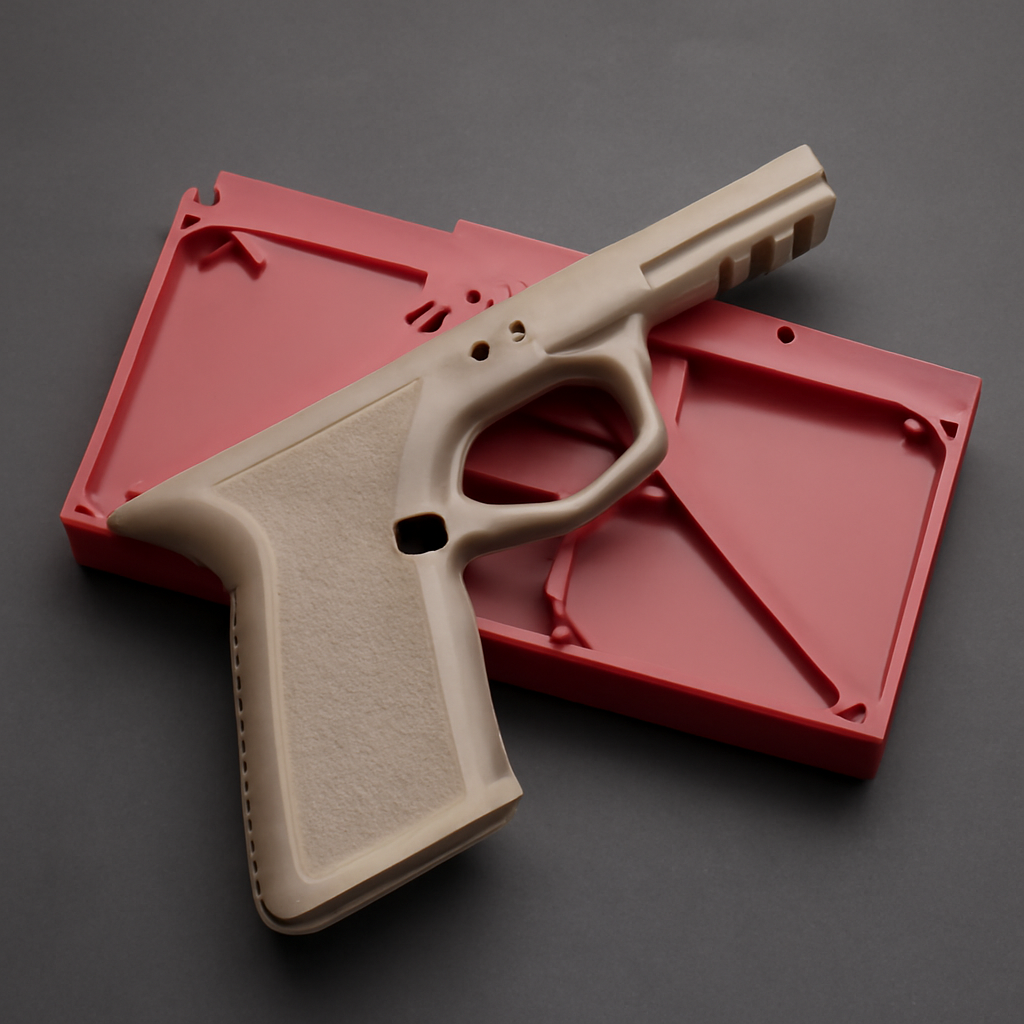
The PF940v2 is known for a balance of durability, controllability, and adaptability. At its core is a high-strength polymer construction designed to manage recoil while remaining lightweight. This combination is one of the major advantages of modern polymer frames: the material absorbs and disperses energy in a way that can feel more forgiving over longer training sessions, especially with full-size builds. Users consistently point to the PF940v2’s grip shape—often described as a more natural, 1911-like angle—as a signature trait that promotes intuitive indexing and a confident presentation on target.
Ergonomics are a major draw. The extended beavertail helps the hand establish a high, repeatable purchase, while the undercut trigger guard encourages a closer, more stable hold. Many shooters appreciate the frame’s molded index points and texturing, which help steer consistent thumb pressure without relying on overly aggressive stippling. The result is a platform that balances secure traction with comfort, whether practicing at the range or running longer drills that put a premium on fatigue management.
Another highlight is accessory readiness. The integrated Picatinny-style rail on the dust cover allows straightforward attachment of common weapon lights and compatible accessories. This is especially appealing for users who train in low-light conditions and want their full-size setup to accept illumination tools without workaround mounts. Additionally, the PF940v2’s geometry plays well with double-stack magazines in common service calibers, contributing to faster reloads and dependable feeding when paired with quality components.
Beyond the fit-and-feel advantages, the PF940v2 ecosystem supports a wide selection of reputable parts. That breadth of component choice makes it easier to achieve a tailored experience—whether the goal is a smooth, consistent trigger feel, a textured grip that suits a specific environment, or a slide setup configured for preferred sighting systems. Enthusiasts value this interoperability, but they also emphasize responsible sourcing and careful assembly to sustain long-term reliability and safe operation. In short, the PF940v2’s standout traits stem from a modern ergonomic profile, a durable polymer foundation, and an ecosystem that promotes lawful, well-supported customization.
Compatibility, Customization, and Real-World Use Cases
Compatibility is central to the PF940v2’s appeal. Typically aligned with the Gen3 pattern, the frame is designed to accommodate full-size Glock-style components in common calibers such as 9mm Luger and .40 S&W. That means barrels, slides, recoil assemblies, and internal parts from the Gen3-compatible marketplace can often be matched, provided buyers verify fitment with the manufacturer or retailer. While some parts across generations may be adaptable, sticking to clearly designated Gen3 components helps streamline selection and reduce guesswork. Magazines should be double-checked for both capacity restrictions in your jurisdiction and mechanical compatibility with the intended caliber and slide assembly.
Customization takes many forms, from sighting preferences to control surfaces. A full-size frame gives shooters more real estate to manage recoil and manipulate the pistol’s controls under pressure. Many opt for high-visibility iron sights or optics-ready slides for faster target acquisition, alongside well-vetted triggers that emphasize consistency over extreme lightness. On the frame side, users frequently enhance comfort with grip sleeves or modest texture work suited to their climate and training regimen. The PF940v2’s undercuts and beavertail already establish a performance-minded baseline; incremental changes—chosen with reliability and safety in mind—can further refine the shooting experience.
Consider a few practical scenarios. A range enthusiast focused on fundamentals might prioritize a clean, predictable trigger and a robust set of steel sights to build accuracy and cadence. A competition-minded shooter could look for a slide-and-sight combination that balances weight and cycling speed while retaining dependable ejection and lock-back characteristics. A home-defense practitioner may favor a duty-grade light and high-traction grip surfaces that remain controllable during stressed conditions. In each case, the PF940v2’s geometry supports purposeful control without resorting to extreme or fragile modifications.
Equally important is the quality of parts and assembly practices. A reliable build depends on reputable components and adherence to safety principles. That includes using properly matched recoil springs, ensuring slide-to-frame fitment is smooth and consistent, and confirming that safeties and passive mechanisms function as designed. Regular inspection after initial range sessions—checking for unusual wear, verifying secure fasteners, and confirming consistent feeding—helps establish confidence. Whether the goal is a training workhorse, a competition companion, or a responsibly configured home-defense option, the PF940v2 platform encourages a thoughtful, stepwise approach that prizes function and safety over flashy shortcuts.
Legal Considerations, Responsible Ownership, and Smart Buying Practices
The legal landscape for firearm parts and unfinished components can vary significantly across jurisdictions. Before considering any purchase or project, research federal, state, and local regulations. Some locations impose specific requirements on unfinished frames, serialization processes, or the sale and transfer of parts. Others may regulate how components are combined or who may participate in such projects. When in doubt, consult official resources or a qualified attorney, and consider engaging a local, licensed professional for guidance. The key is to proceed only when fully confident in the applicable laws, and to maintain documentation that supports lawful ownership and responsible use.
Responsible ownership also extends to storage and training. A full-size platform like the PF940v2 benefits from secure, quick-access storage solutions that keep unauthorized hands away while allowing lawful users timely access when appropriate. Quality training—covering fundamentals, safe handling, malfunction clearing, and low-light considerations—goes a long way in building muscle memory and maintaining composure. If defensive use is part of the plan, seek instruction from reputable trainers who emphasize both legal context and de-escalation. The best hardware choices are amplified by skill development and consistent practice under safe, supervised conditions.
From a purchasing standpoint, prioritize legitimacy and transparency. Reputable sellers clearly present product details, compatibility notes, and any known legal restrictions that affect shipping or sale. They also provide accessible customer support and straightforward return policies for eligible items. This level of clarity helps buyers avoid counterfeit or substandard components, which can compromise function or run afoul of regulations. Look for clear product categorization, accurate descriptions that distinguish between frame styles and generations, and documentation that supports provenance. When components arrive, inspect them carefully and confirm they match the advertised specifications before installing or pairing them with other parts.
Case studies in compliant, responsible building often share common themes: thorough legal research upfront; selection of quality, compatible components; and an emphasis on safe operation from the first range session onward. For instance, a hobbyist in a state with serialization regulations might ensure all required markings are in place before pairing the frame with a slide and internals. Another buyer may coordinate with a local FFL or gunsmith for lawful transfers of restricted items and quality checks. In every example, the PF940v2’s strengths—ergonomics, accessory support, and Gen3-aligned compatibility—shine brightest when paired with diligence, patience, and a commitment to safety and the law.

Vienna industrial designer mapping coffee farms in Rwanda. Gisela writes on fair-trade sourcing, Bauhaus typography, and AI image-prompt hacks. She sketches packaging concepts on banana leaves and hosts hilltop design critiques at sunrise.